The Science of Sweetness
How we achieved 0 Calories and 0 Glycemic Impact without chemicals.
References: FDA, NIH, and Journal of Metabolism
How is it 0 Calories?
The "Renal Excretion" Pathway
Regular sugar (Sucrose) is broken down by enzymes in your stomach and absorbed as energy (4 calories/gram). Allulose is different.
According to FDA metabolic studies, approximately 70% of Allulose is absorbed into the blood but is not metabolized for energy. Instead, your kidneys filter it out, and it is excreted unchanged in urine. The remaining 30% passes through the large intestine.
Caloric Density (kcal/g)
Source: USDA FoodData Central
The Insulin Impact
Why Pure Monk is safe for Diabetics and Keto.
Study: Post-Meal Glucose Levels
A definitive study published in the Journal of Nutrition conducted a randomized, double-blind trial. Subjects consumed Allulose vs. Glucose.
- Glucose Group: Rapid spike in blood sugar and insulin within 30 minutes.
- Allulose Group: "Non-significant" rise in blood sugar (flatline).
"Allulose does not stimulate insulin secretion or affect blood glucose levels in healthy humans."
View Study on PubMed (Iida et al.)Metabolic Benefits
Beyond just "neutrality," some research suggests active benefits. A 2018 study indicated that Allulose might actually suppress the glycemic response when eaten *with* carbohydrates.
- May lower post-meal blood sugar spikes.
- Preliminary studies suggest increased fat oxidation (fat burning).
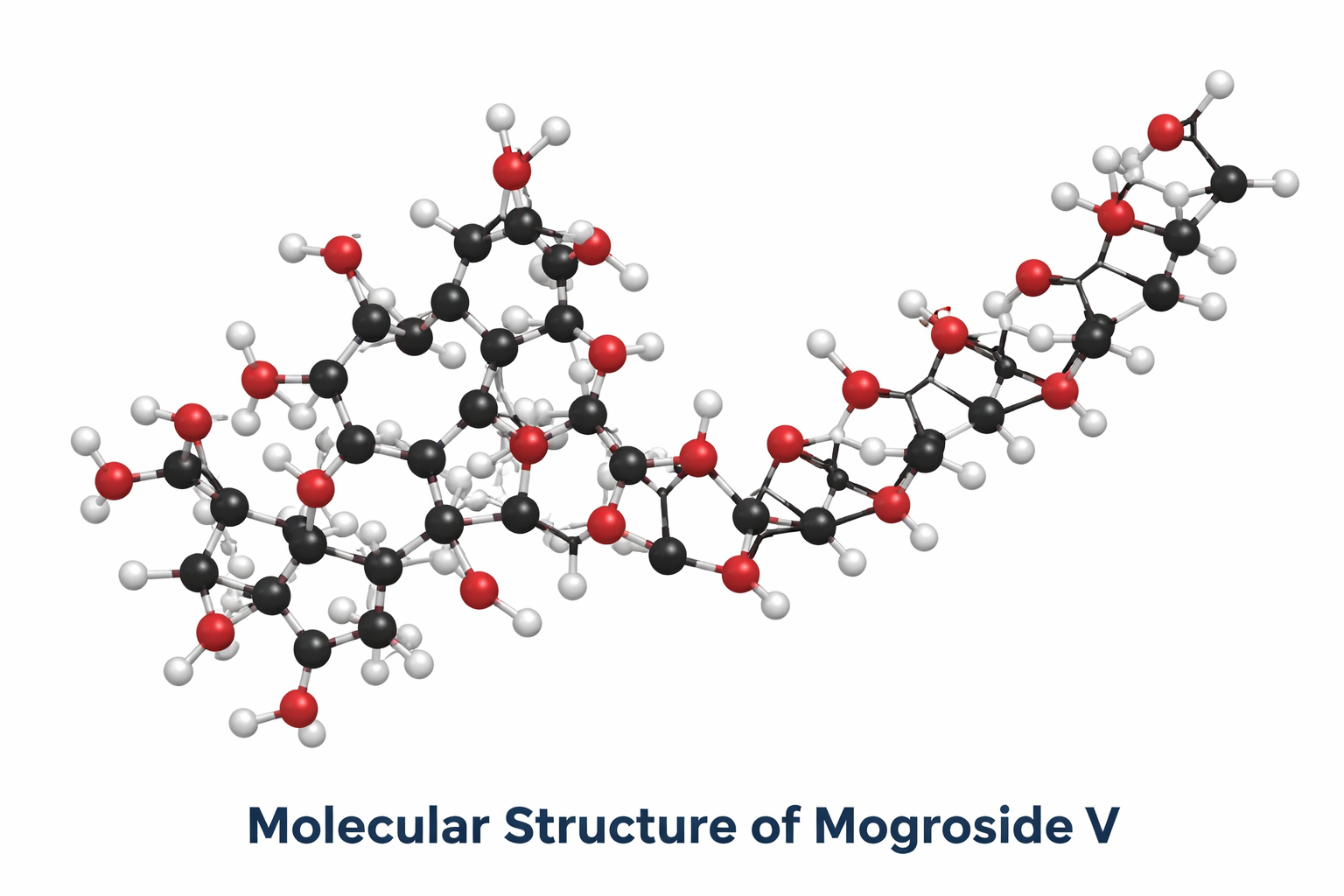
Fig 1. The Triterpene Glycoside structure.
Monk Fruit is NOT Sugar. It's an Antioxidant.
The sweetness in Monk Fruit does not come from Fructose or Glucose. It comes from Mogrosides (specifically Mogroside V).
Mogrosides are triterpene glycosides. In scientific terms, your body treats them as antioxidants (similar to vitamins), not carbohydrates.
- Anti-Inflammatory: Studies have shown Mogrosides inhibit oxidative stress.
- No Metabolism: Like Allulose, Mogrosides pass through the body without generating caloric energy.
Bibliography & Authentic Sources
- FDA (U.S. Food & Drug Administration): Guidance for Industry on Allulose (Oct 2020)
- Hayashi et al. "Dietary D-psicose reduces visceral fat mass in high-fat diet-induced obese rats." Biosci Biotechnol Biochem.
- Iida T, et al. "Acute D-psicose administration decreases the glycemic response to an oral maltodextrin tolerance test in normal adults." J Nutr Sci Vitaminol.